Mock drill meaning and why it is practiced .
Imagine a scenario where you’re in a bustling school or a lively office, surrounded by the chatter of colleagues or classmates. Suddenly, a loud siren pierces the air, sending waves of surprise through the crowd. People spring into action, eyes wide, bodies moving purposefully toward exits.
This, my friends, is a mock drill—a simulated practice that transforms the frenetic energy of real emergencies into a structured ballet of safety protocols. It’s not just an exercise; it’s a vivid rehearsal for life’s unpredictable moments. The siren might not signal true danger today, but the lessons learned in that rush prepare you to navigate chaos with clarity and composure when the stakes are real.
In this moment, the mock drill breathes life into concepts of preparedness and teamwork. It fosters awareness, turning passive bystanders into active participants in their own safety. When the drill ends, the adrenaline lingers, and so do the crucial skills acquired—skills that may one day prove invaluable.
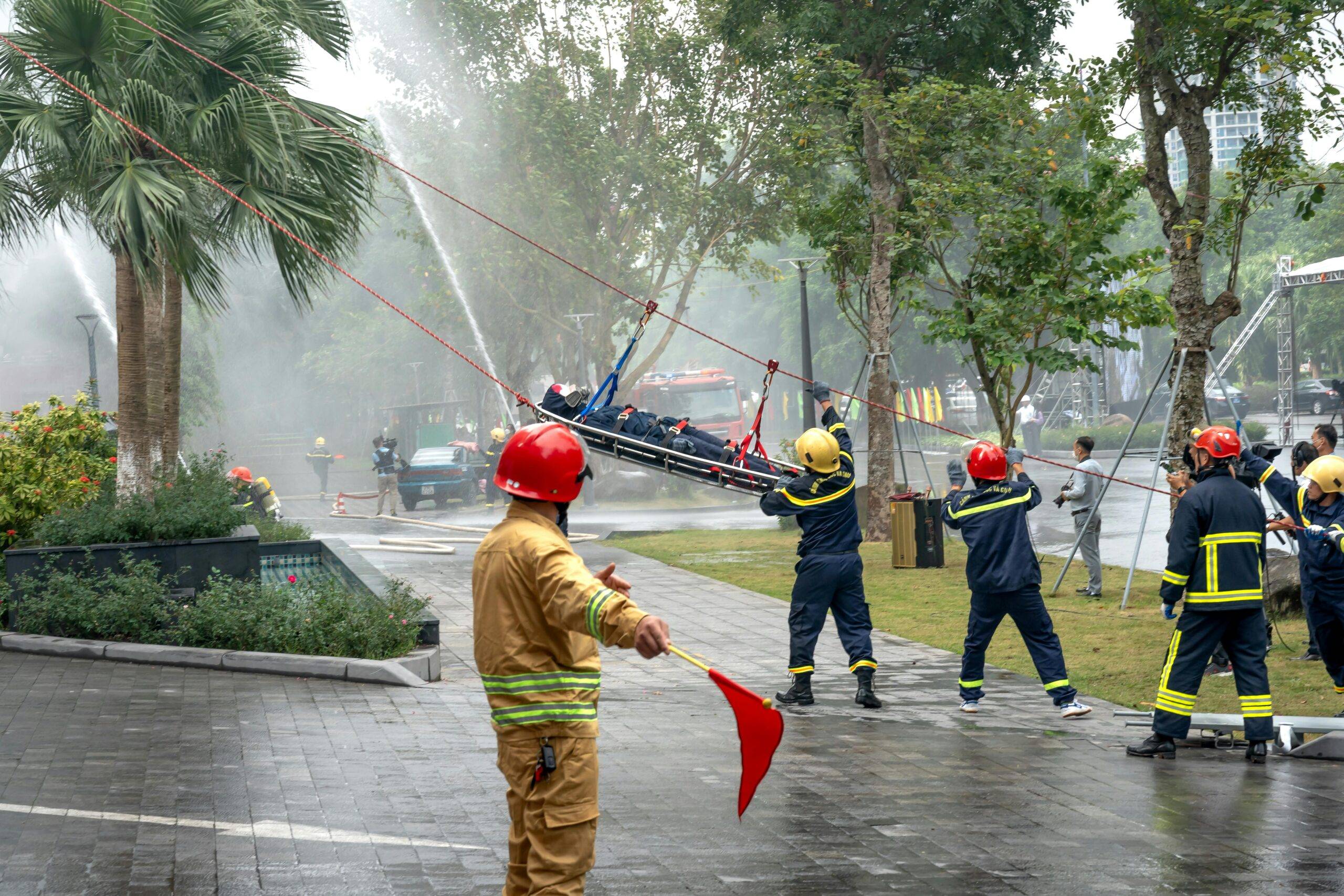 mock drill meaning
In today’s unpredictable world, safety is not just a responsibility—it’s a necessity. Whether it’s a fire, earthquake, gas leak, or even a pandemic, emergencies can strike without warning. And when they happen , being prepared is the only thing that can prevent chaos and panic.
That’s where mock drills come in.
🧯 What is a Mock Drill?
It is a simulated emergency situation that helps people learn how to respond calmly and correctly.
You can conduct mock drills not just in schools or offices, but in many other places as well.
1.Emergency response systems
2.Escape routes
3.Evacuation speed
4.Coordination between staff and safety officers
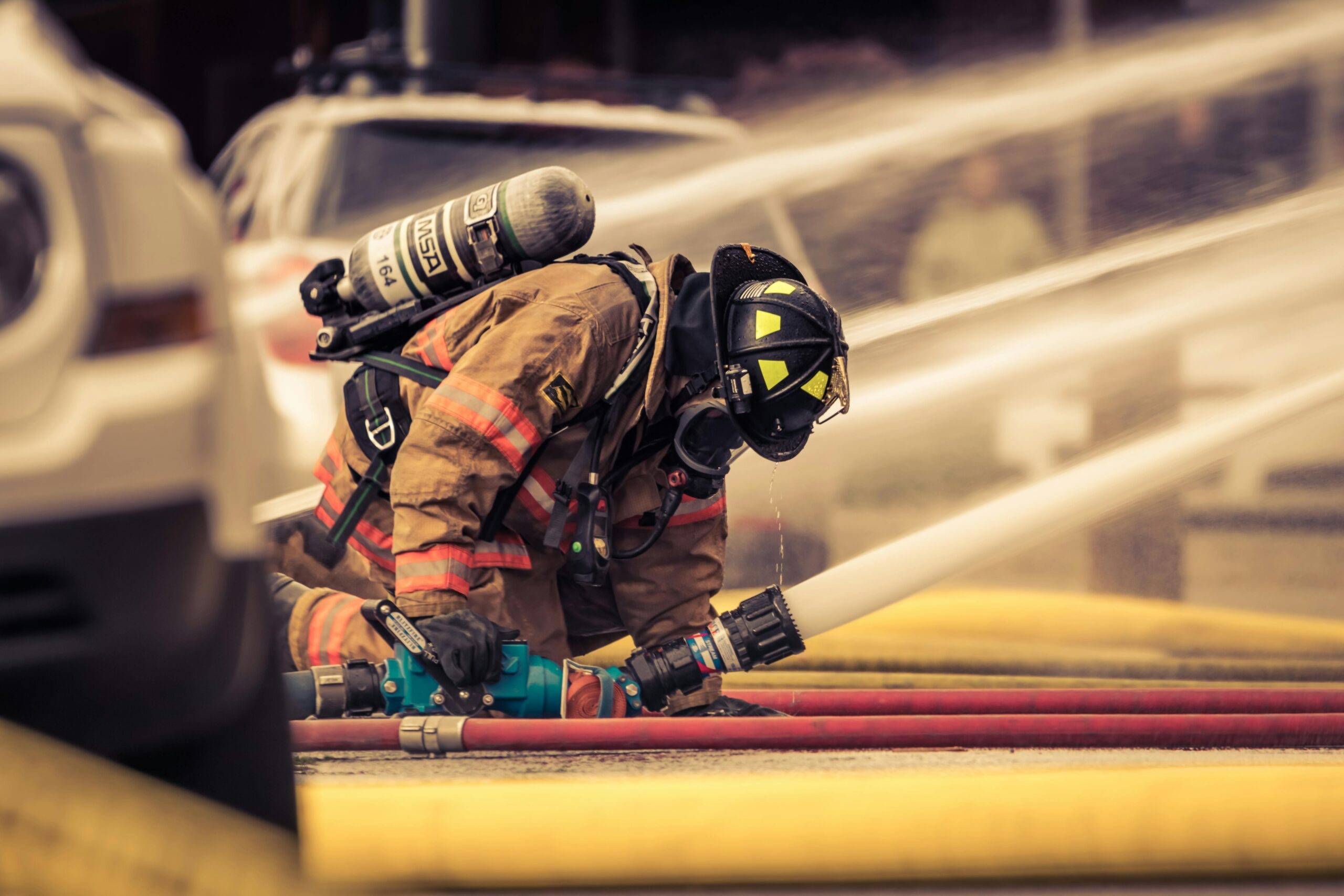
Mock drills are not random or casual. They’re planned, timed, documented, and reviewed. Everything—from the alarm to the final headcount—is organized carefully to simulate a real-life scenario.
Mock Drill vs. Real Emergency: What’s the Difference?
The major difference is that mock drills give people a chance to make mistakes safely and learn from them—so that when real danger appears, they don’t freeze or panic.
Why Are Mock Drills So Important?
Mock drills might seem boring or unnecessary to some, but they are actually life-saving tools. Here’s why they’re essential:
- Reduces Panic and Confusion
- Promotes Emergency Awareness
- Tests Systems and Plans
- Improves Team Coordination
Many people, especially students or new employees, have no idea what to do during a disaster. Mock drills teach them the basics—where to go, how to behave, who to follow
Places Where People Conduct Mock Drills
People don’t have to limit mock drills to just schools or offices—they can and should conduct them in many different places, such as:
- Schools and Colleges:Teaching students how to respond to fires, earthquakes, or even bomb threats helps create a generation that’s mentally strong and prepared
- Corporate Offices:Companies use mock drills to ensure employee safety and comply with fire and safety regulations under laws like the Factories Act in India.
- Hospitals and Healthcare Centers
Mock drill: Step-by-Step Breakdown
Here’s a detailed walk-through of what a typical mock drill looks like:
- Planning the Scenario:A safety officer or committee decides what kind of emergency to simulate—fire, earthquake, etc.—and plans the drill accordingly.
- Sounding the Alarm:The drill begins with an alarm or announcement. People should stop what they’re doing and follow the emergency protocol.
- Evacuation Process: Individuals exit the building through marked escape routes. Elevators are avoided, and staircases are used.
- Assembly at Safe Zone: Everyone gathers at a designated safety area. This helps prevent crowding and ensures accountability.
- Headcount and Role Call: Supervisors quickly check to ensure no one is left behind.
- Debriefing and Feedback:Organizers and participants discuss what went well, what didn’t, and how to improve for next time.
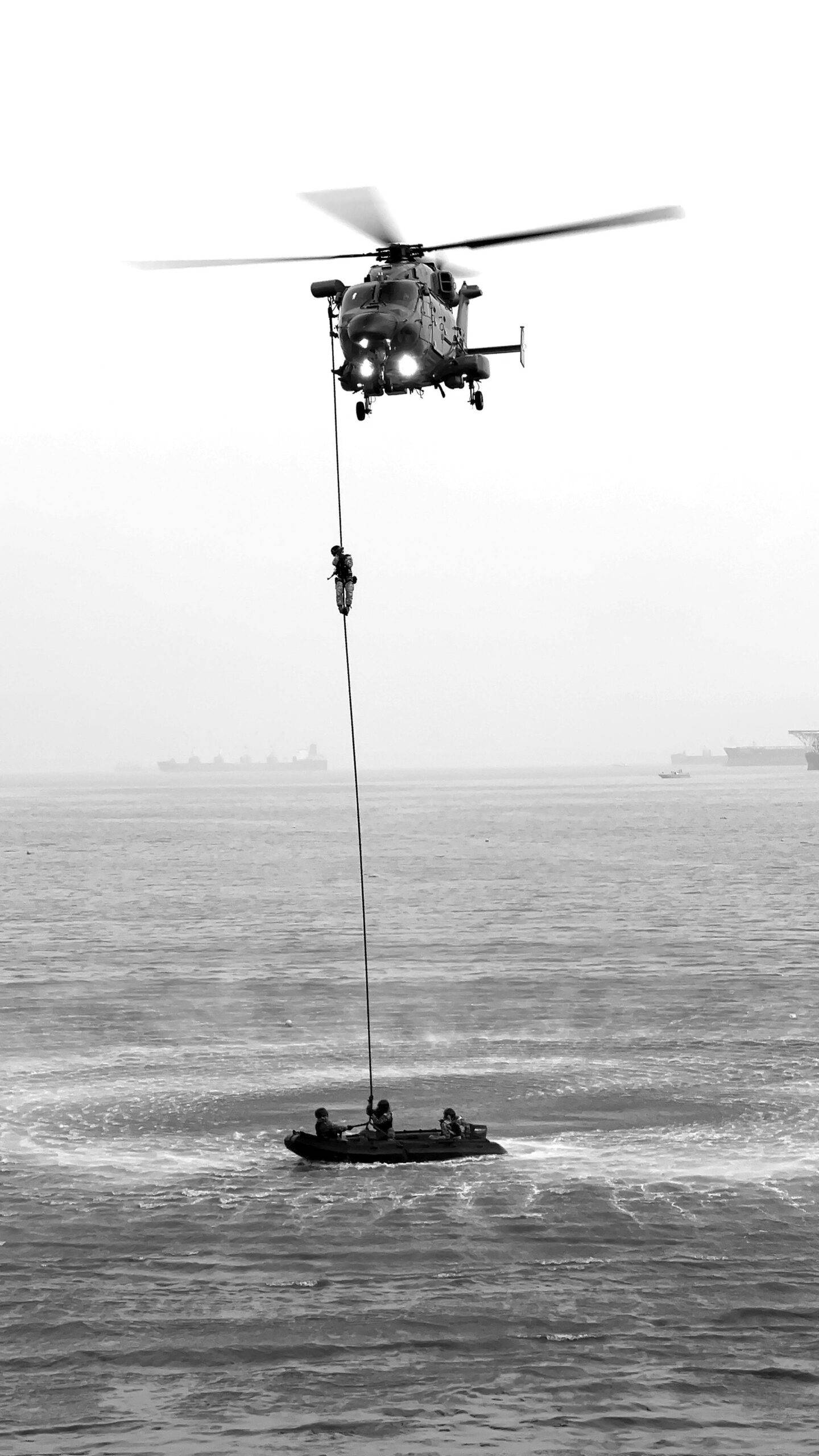
Mock Drills : Real-Life Examples
Example 1: School Fire Drill in DelhiA school in Delhi conducted a fire mock drill in just 3 minutes. Students lined up, used the stairs, and reached the ground safely. Teachers reported that children were calm and cooperative—thanks to repeated practice.
Example 2: Office Earthquake Drill in MumbaiAn IT company in Mumbai did an earthquake simulation. Employees first learned to “Drop, Cover, and Hold” as part of the earthquake preparedness drill. This initial training helped them respond quickly and confidently during the evacuation. The drill also uncovered a few safety issues, such as poor lighting in the staircases. Thanks to this insight, the management took swift action and fixed the problem to ensure safer conditions in future emergencies.
These real-life examples highlight that mock drills do more than just train people for emergencies—they also help identify weaknesses in infrastructure and systems. By exposing these gaps, drills lead to practical improvements that make environments safer and more resilient.
Mock Drill: Government Guidelines in India (Optional Addition)
In India, the National Disaster Management Authority (NDMA) recommends regular mock drills in public and private spaces. Under the Factories Act and Fire Safety Act, it is mandatory for many businesses to conduct drills quarterly or annually.
This shows that mock drills are not just optional—they are part of national safety strategy.
*
✅ Mock drill Final Thoughts: Why You Should Take Mock Drills Seriously
We often take safety for granted until something goes wrong. Whether it’s at home, school, or the workplace, most people don’t think about emergency situations until they’re right in the middle of one. But when disaster strikes, every second counts. That’s why being prepared through regular mock drills is so important. A mock drill might not feel important now, especially when everything seems normal, but during a real emergency, you’ll be glad you took the time to practice. Being ready can make the difference between chaos and calm, and ultimately, between danger and safety.
So next time your school or office announces a mock drill:
Don’t roll your eyes.
Don’t ignore the instructions.
Participate like your life depends on it—because one day, it just might.
🙋♂️ Author’s Note
> I wrote this article because I believe that safety is something we all take lightly—until it’s too late. Mock drills may not be exciting, but they prepare us for the moments that truly matter. I hope this blog helped you understand the real value behind this simple yet powerful practice.


Leave a Reply